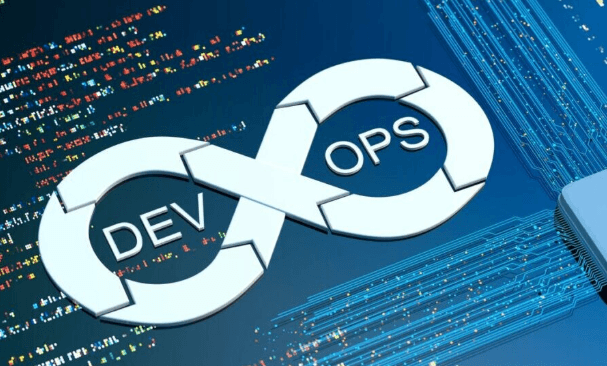

DevOps and Continuous Delivery align development, operations, and quality to accelerate and stabilize software release cycles. The approach emphasizes automation, repeatable processes, and fast feedback loops across the delivery chain. Collaboration reduces handoffs, while metrics guide steady improvement and risk-aware experimentation. Teams aim for predictable releases with minimal toil and rollback concerns. The conversation starts with concrete practices and real-world constraints, inviting a systematic look at what actually makes delivery reliable—and what still blocks progress.
What DevOps and CD Really Deliver for Software Delivery
DevOps and continuous delivery (CD) fundamentally transform software delivery by aligning development, operations, and quality assurance around rapid, reliable release cycles. The approach yields measurable DevOps outcomes: faster feedback loops, shorter cycle times, and resilient deployments. CD benefits include automated testing, incremental releases, and consistent compliance. Collaboration accelerates optimization, while freedom to iterate remains central to sustainable, predictive delivery without compromising quality.
The Key Practices That Make DevOps and CD Work Together
A disciplined, automation-driven approach underpins the key practices that enable DevOps and CD to work in concert; by codifying repeatable workflows, teams reduce variability and speed up delivery.
Emphasizing collaboration patterns, cross-functional ownership, and feedback loops sustains momentum.
Automation tooling orchestrates pipelines, tests, and releases, while metrics drive continuous improvement, promoting autonomous teams that align risk, quality, and speed with freedom.
How to Start Implementing DevOps and Continuous Delivery
Starting with a practical, stepwise approach, teams can initiate DevOps and Continuous Delivery by mapping existing workflows, identifying bottlenecks, and establishing a small, cross-functional delivery pilot. The effort focuses on planning culture and automation tooling to accelerate feedback loops, reduce handoffs, and sustain momentum.
A autonomy-friendly, collaboration-first mindset enables rapid experimentation, scalable pipelines, and measurable progress while preserving freedom and responsibility across teams.
Common Pitfalls and How to Measure Success in DevOps and CD
Many teams encounter common pitfalls as they scale DevOps and Continuous Delivery efforts, such as misaligned incentives, brittle pipelines, and noisy or delayed feedback loops. To measure progress, organizations should emphasize automation-driven metrics, aligned incentives, and rapid feedback. Conflicting metrics often obscure reality; bottleneck analysis reveals chokepoints, enabling targeted improvements. A collaborative, delivery-focused approach sustains momentum and maintains freedom to innovate.
See also: onlinehtmlcompiler
Frequently Asked Questions
How Long Does It Take to See ROI From Devops and CD?
ROI timing varies; advantages emerge as automation accelerates feedback loops. ROI timing depends on metrics, adoption, and outcomes. ROI timing improves with DevOps metrics, collaboration, and two word discussion ideas, not relevant to other H2s, delivery-focused.
What Organizational Roles Are Needed Beyond Engineers?
Lightning sparks productivity as she surveys the landscape. The organization needs governance structure roles beyond engineers: product, program, platform, security, and reliability leads, plus product owners and scrum masters, all collaborating within a scalable, autonomous delivery ecosystem.
How Do You Handle Security in Fast Delivery Cycles?
Security governance and threat modeling are integrated into fast delivery cycles, enabling automated checks and collaborative risk awareness. The approach emphasizes automation, shared ownership, and delivery velocity, preserving freedom while continuously validating security across pipelines and deployments.
What Tooling Stack Best Suits Small Teams?
Around 67% of teams report faster ROI timing with integrated tooling stacks. The answer: for small teams, tooling stack choices should enable DevOps/CD, roles beyond engineers, and organizational structure; prioritize security in fast cycles, threat modeling, and audit trails.
How Is Compliance Maintained With Rapid Releases?
Compliance is maintained through automated compliance audits and release governance embedded in the pipeline, enabling rapid releases while preserving traceability, accountability, and collaboration; the approach fosters freedom, reliability, and automation-driven delivery across teams.
Conclusion
DevOps and CD accelerate delivery, yet demand discipline and coordination. Automation whispers reliability where friction once spoke; collaboration turns silos into shared velocity. While dashboards quantify risk, autonomous teams foster experimentation within guardrails. Stability and change trade places—fast iterations without sacrificing quality. The result is predictable releases driven by data, not drama, where standardized pipelines and cross-functional ownership convert ambiguity into confidence. In this new rhythm, progress is reproducible, secure, and relentlessly delivery-oriented.